Embark on a journey through the world of board and batten home exteriors, where traditional charm meets modern elegance. Discover the unique features and design elements that make this siding option a popular choice among homeowners.
Delve into the benefits, design variations, and installation process of board and batten exteriors to gain a comprehensive understanding of this timeless architectural style.
Overview of Board and Batten Home Exterior
Board and batten siding is a type of exterior cladding where wide boards are installed vertically with narrow strips (battens) covering the seams. This style creates a rustic and charming look for homes.
Historical Significance
Board and batten exteriors have a rich historical significance, dating back to medieval Europe. Originally used for practical purposes in construction, this method has evolved into a popular design choice for modern homes.
Key Features
- Vertical boards: The main feature of board and batten siding is the use of wide, vertical boards that give a distinctive look to the exterior.
- Battens: Narrow strips of wood are placed over the seams between the boards, adding texture and dimension to the facade.
- Rustic charm: Board and batten exteriors are known for their rustic and traditional appeal, making them a timeless choice for homeowners.
- Versatility: This style can be adapted to different architectural styles, from farmhouse to modern, offering flexibility in design.
Benefits of Board and Batten Siding
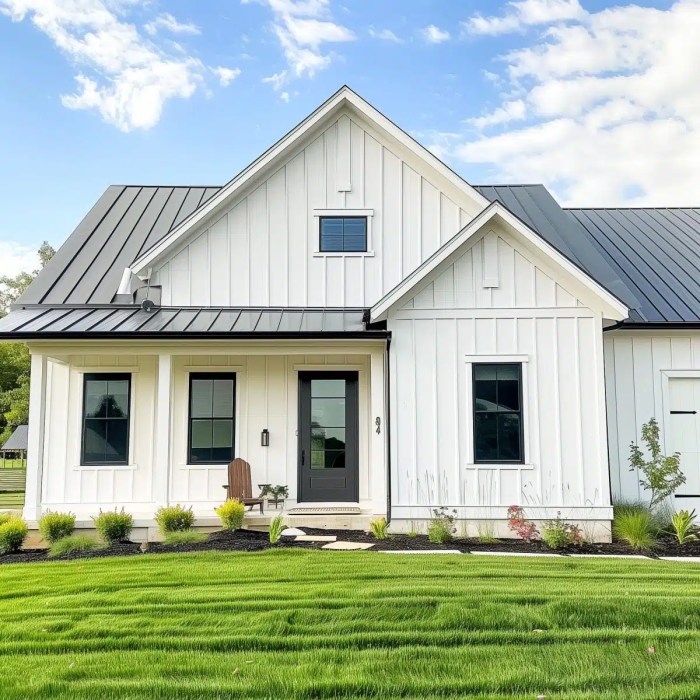
Board and batten siding offers several benefits that make it a popular choice for homeowners looking for a durable and attractive exterior finish.
Comparing Durability
Board and batten siding is known for its exceptional durability compared to other siding options. The vertical design of the boards provides added strength and resistance to elements such as wind, rain, and hail. This makes it a long-lasting choice for homes in various climates.
Maintenance Requirements
When it comes to maintenance, board and batten siding is relatively low-maintenance compared to other siding materials. Routine cleaning and occasional repainting are usually all that is needed to keep the exterior looking fresh and well-maintained. This can save homeowners time and money in the long run.
Energy Efficiency
Board and batten siding can also contribute to the energy efficiency of a home. The vertical design helps to create an air gap between the boards and the wall, which can improve insulation and reduce energy consumption for heating and cooling.
This can lead to lower energy bills and a more comfortable living environment.
Design Elements and Variations
When it comes to board and batten siding, there are various design styles that can be incorporated to enhance the overall look of a home's exterior. From traditional to modern, the versatility of this siding option allows for a wide range of design possibilities.
Design Styles with Board and Batten Siding
- Traditional Charm: Board and batten siding is often associated with a more traditional or rustic look. This style can be enhanced with the use of natural wood tones and classic color schemes.
- Modern Minimalism: For a more contemporary feel, board and batten siding can be painted in a crisp white or neutral color to create a clean and minimalist look.
- Cottage Appeal: Board and batten siding is also commonly used in cottage-style homes. Soft pastel colors paired with charming architectural details can evoke a cozy and inviting atmosphere.
- Farmhouse Flair: The board and batten siding is a popular choice for farmhouse-style exteriors. Pairing this siding with metal roofs, large porches, and black accents can create a classic farmhouse look.
Color Schemes for Board and Batten Exteriors
- Classic White: White board and batten siding is a timeless choice that can brighten up the exterior of any home. It pairs well with black or dark trim for a striking contrast.
- Earthy Tones: Natural wood tones like cedar or redwood can add warmth and character to a board and batten exterior. These earthy hues work well with green, brown, or gray accents.
- Bold and Bright: For a more contemporary or playful look, consider using bold colors like navy blue, forest green, or deep red for the board and batten siding. Pair with neutral trim to balance the overall aesthetic.
Architectural Details for Board and Batten Homes
Adding architectural details can further enhance the charm and character of a board and batten home exterior. Elements such as decorative trim, shutters, window boxes, gables, and porches can elevate the overall design and create a cohesive look. These details can be painted in contrasting colors to make them stand out against the board and batten siding, adding visual interest and depth to the facade.
Installation and Construction Process
When it comes to installing board and batten siding, there are several key steps involved to ensure a successful construction process. Proper installation is crucial for the durability and aesthetics of the exterior.
Steps for Installing Board and Batten Siding
- Prepare the surface: Ensure the wall surface is clean, smooth, and free of any debris before installation.
- Measure and cut the boards: Measure the boards carefully and cut them to the appropriate length before attaching them to the wall.
- Install the boards: Start at the bottom and work your way up, securing each board with nails or screws at regular intervals.
- Add battens: Once the boards are in place, add the battens vertically over the seams to create the classic board and batten look.
- Finish and seal: Finally, finish the installation by sealing any gaps and applying a protective finish to the siding.
Tips for Ensuring a Proper Installation
- Use quality materials: Invest in high-quality boards and battens to ensure a long-lasting and durable finish.
- Follow manufacturer instructions: Always follow the manufacturer's guidelines for installation to avoid any issues down the line.
- Properly seal seams: Make sure to seal all seams and edges properly to prevent moisture infiltration and potential damage.
- Consider professional help: If you're unsure about the installation process, consider hiring a professional to ensure a flawless finish.
Common Challenges Faced During Construction
- Warped boards: Warping can occur due to moisture exposure or poor storage, making installation difficult.
- Uneven walls: Uneven walls can pose challenges when trying to achieve a seamless look with the boards and battens.
- Maintenance issues: Improper installation can lead to maintenance issues down the line, such as water damage or rot.
- Color matching: Ensuring a consistent color match between boards and battens can be challenging during installation.
Conclusion
Unravel the allure of board and batten home exteriors as we conclude our exploration of this classic siding option. From its historical significance to its energy efficiency, this style offers a perfect blend of functionality and aesthetics for any home.
Clarifying Questions
What is board and batten siding?
Board and batten siding consists of wide boards installed vertically with narrower boards (battens) covering the joints for a distinctive look.
How does board and batten siding compare in terms of durability?
Board and batten siding is known for its durability and can outlast other siding options if properly maintained.
What are some popular color schemes for board and batten exteriors?
Neutral tones like white, gray, and beige are classic choices, while bold colors can add a modern twist to the traditional look.
What are the common challenges faced during the construction of a board and batten exterior?
Issues with moisture infiltration, uneven board spacing, and ensuring proper batten placement are common challenges during installation.