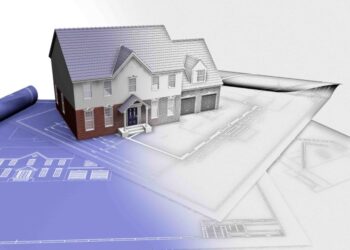
Exploring the world of custom built homes versus modular homes opens up a realm of possibilities and choices for prospective homeowners. Dive into the differences, advantages, and unique features of each option in this informative discussion.
Custom Built Homes
Custom built homes offer the opportunity to create a house tailored to your specific needs and preferences, from the layout to the finishes. This process allows for full customization and personalization.
Examples of Customization Options:
- Choice of floor plan
- Selection of materials
- Custom fixtures and amenities
- Personalized design elements
Benefits of Choosing a Custom Built Home:
- Unique design tailored to your lifestyle
- Higher quality materials and craftsmanship
- Greater control over the building process
- Potential for increased resale value
Designing and Constructing a Custom Built Home:
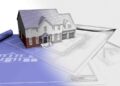
The process typically involves working closely with architects and builders to create a design that meets your requirements. From initial concept to final touches, you have a hands-on approach to every aspect of the project. This includes selecting the layout, materials, fixtures, and finishes to bring your dream home to life.
Modular Homes
Modular homes are houses that are built in sections off-site in a factory setting and then transported to the final location for assembly. These homes differ from traditional stick-built homes which are constructed entirely on-site.
Advantages of Opting for a Modular Home
- Efficiency: Modular homes are built in a controlled environment, reducing delays due to weather or other external factors.
- Cost-Effective: The assembly line production of modular homes can lead to cost savings compared to custom-built homes.
- Quality Control: Strict quality control measures are implemented in the factory setting, ensuring consistent quality in each module.
- Speed of Construction: Modular homes can be assembled on-site relatively quickly, reducing overall construction time.
Key Features of Modular Homes
- Design Flexibility: Modular homes offer a variety of design options to suit different preferences and needs.
- Construction Materials: High-quality materials are used in the construction of modular homes, ensuring durability and longevity.
- Sustainability: Many modular homes are built with eco-friendly materials and practices, reducing environmental impact.
Cost Implications of Choosing a Modular Home
While the upfront cost of a modular home may be lower than that of a custom-built home, it's essential to consider additional expenses such as transportation, assembly, and site preparation. However, the overall cost of a modular home project can still be more cost-effective than a traditional custom-built home.
Design and Architecture
When it comes to design and architecture, custom built homes and modular homes offer different levels of flexibility and customization. Custom built homes allow for a higher degree of personalization, while modular homes offer some level of customization within pre-set designs.
Design Flexibility
- Custom built homes: Homeowners have the freedom to design every aspect of the home according to their preferences. This includes layout, materials, finishes, and architectural details.
- Modular homes: While there are limitations compared to custom built homes, modular homes can still be customized to a certain extent. Homebuyers can choose from a variety of floor plans, styles, and finishes offered by the manufacturer.
Architectural Styles in Custom Built Homes
- Colonial: Characterized by symmetry, columns, and gabled roofs.
- Modern: Clean lines, large windows, and open floor plans.
- Craftsman: Emphasis on natural materials, handcrafted details, and cozy atmosphere.
- Mediterranean: Stucco exteriors, red tile roofs, and arched doorways.
Customization in Modular Homes
- Modular homes can be tailored to fit various design preferences through the selection of floor plans, exterior finishes, interior fixtures, and other customizable features.
- Homeowners can work with the modular home manufacturer to make adjustments to the standard designs or even create a semi-custom layout that suits their needs.
Importance of Architectural Planning
- Architectural planning is crucial in both custom built and modular homes to ensure that the design meets the homeowner's needs, complies with building codes, and maximizes functionality and aesthetics.
- Proper architectural planning lays the foundation for a successful construction process and a home that reflects the homeowner's style and preferences.
Construction Process
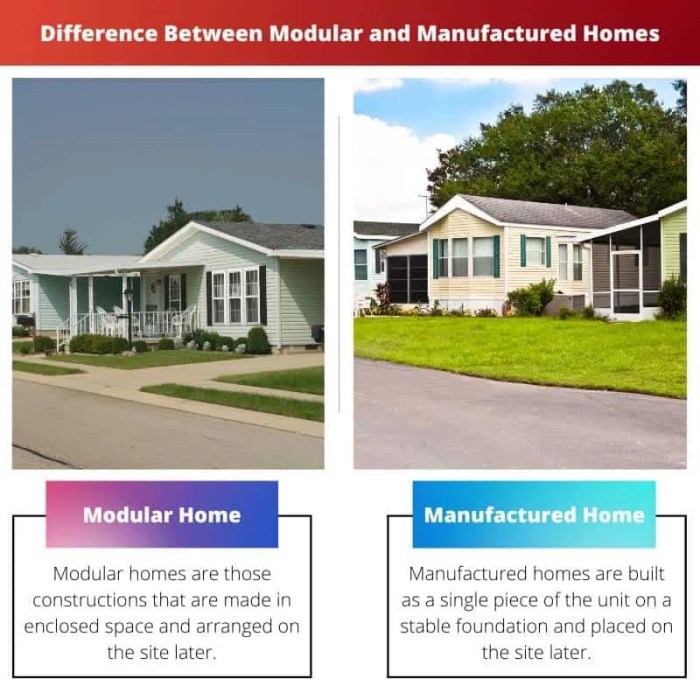
When it comes to the construction process of custom built homes and modular homes, there are distinct differences in timelines, assembly methods, and quality control measures. Let's delve into the specifics of each.
Construction Timeline for Custom Built Homes
- Custom built homes typically have a longer construction timeline compared to modular homes.
- The construction timeline for custom built homes can vary significantly depending on the size, complexity, and customization of the home.
- On average, the construction of a custom built home can take anywhere from several months to over a year to complete.
Assembly Process of Modular Homes on-site
- Modular homes are constructed off-site in a factory-controlled environment, with the different modules being transported to the site for assembly.
- On-site, the modules are lifted into place using cranes and then secured together to form the complete home.
- This assembly process is typically faster than traditional on-site construction, with modular homes being ready for occupancy in a matter of weeks.
Role of Contractors and Builders
- For custom built homes, contractors and builders play a crucial role in overseeing the entire construction process, from planning and permitting to final finishing touches.
- These professionals work closely with architects, designers, and homeowners to ensure that the vision for the custom home is brought to life.
- In the case of modular homes, contractors are still involved in site preparation, foundation laying, and the assembly of the modular components on-site.
Quality Control Measures
- Quality control is a key focus during the construction of both custom built and modular homes.
- Custom built homes undergo rigorous inspections at various stages of construction to ensure that the highest quality standards are met.
- Modular homes are subject to factory inspections during the manufacturing process, as well as on-site inspections during assembly to guarantee structural integrity and compliance with building codes.
Conclusion
As we wrap up our exploration of custom built homes and modular homes, it becomes evident that each offers distinct benefits and considerations for those looking to create their dream living space. Remember, the choice ultimately depends on individual preferences and requirements.
Question & Answer Hub
Are custom built homes more expensive than modular homes?
Custom built homes tend to be more expensive due to their personalized nature and higher quality materials often used.
Can modular homes be customized like custom built homes?
While modular homes offer some level of customization, they are more limited compared to the extensive options available with custom built homes.
How long does it typically take to construct a custom built home?
The construction timeline for custom built homes can vary widely depending on the size, complexity, and location of the project, ranging from several months to over a year.
What are some key design differences between custom built and modular homes?
Custom built homes offer a wider range of design flexibility and customization options, while modular homes are more limited in their design variations.
Do modular homes have any sustainability advantages over custom built homes?
Modular homes are often more energy-efficient and environmentally friendly compared to traditional custom built homes, making them a popular choice for eco-conscious buyers.