Natural wood siding house captures the essence of timeless beauty and sustainability, offering a warm embrace to any dwelling it adorns. From its unparalleled durability to the eco-friendly appeal, this style choice brings a touch of nature to modern architecture.
Let's delve into the world of natural wood siding and explore its many facets.
Benefits of Natural Wood Siding
Natural wood siding offers numerous benefits that make it a popular choice for homeowners.
Durability and Longevity
Natural wood siding is known for its durability and longevity, outlasting many other siding materials when properly maintained. With proper care and maintenance, natural wood siding can last for decades, providing a long-term investment for homeowners.
Aesthetic Appeal and Unique Character
One of the standout features of natural wood siding is its aesthetic appeal and unique character. The natural grains and textures of wood add warmth and charm to a house, creating a timeless and inviting look that enhances curb appeal.
Eco-Friendly Aspects
Using natural wood siding in construction is an eco-friendly choice as wood is a renewable resource. Additionally, wood siding is biodegradable and can be recycled, reducing environmental impact compared to non-biodegradable siding materials.
Types of Wood Used for Siding
When it comes to natural wood siding, there are several popular wood species used in construction. Each type of wood offers unique characteristics in terms of appearance, maintenance requirements, and cost.
Cedar
Cedar is a popular choice for wood siding due to its natural resistance to moisture, decay, and insects. It has a warm, reddish-brown color that weathers beautifully over time. Cedar siding requires regular maintenance to preserve its appearance and can be more expensive compared to other wood types.
Pine
Pine is a more affordable option for wood siding, making it a popular choice for many homeowners. It has a lighter color compared to cedar and can be easily stained or painted to achieve the desired look. However, pine siding is more prone to rot and decay, requiring regular upkeep to maintain its longevity.
Redwood
Redwood is known for its rich, deep color and natural resistance to decay and insects. It is a more expensive option for wood siding but offers excellent durability and a unique aesthetic appeal. Redwood siding requires minimal maintenance, making it a popular choice for those looking for a long-lasting and low-maintenance option.Examples of houses featuring cedar, pine, and redwood siding can be found in various neighborhoods, showcasing the different aesthetic qualities and maintenance requirements of each wood type.
Installation Process
Installing natural wood siding on a house requires careful planning and attention to detail to ensure a successful outcome. Here are the steps involved in the installation process, the tools and equipment required, as well as tips for proper maintenance and care.
Step-by-Step Guide for Installation
- Prepare the Surface: Make sure the surface where the siding will be installed is clean, dry, and free of any debris or old siding.
- Measure and Cut: Measure the dimensions of the walls and cut the wood siding boards to fit accordingly.
- Install Starter Strip: Begin by installing a starter strip at the bottom of the wall to provide a base for the siding boards.
- Attach Siding Boards: Use nails or screws to attach the siding boards to the wall, starting from the bottom and working your way up.
- Overlap Joints: Make sure to overlap the joints between siding boards to prevent water infiltration.
- Finish and Seal: Once all the siding boards are installed, finish by sealing any gaps or joints to ensure proper insulation and protection.
Tools and Equipment Required
- Hammer or nail gun
- Saw for cutting wood
- Tape measure
- Level
- Siding nails or screws
- Caulk and sealant
Tips for Maintenance and Care
- Regularly inspect the siding for any signs of damage or wear.
- Clean the siding with a mild detergent and water to remove dirt and debris.
- Apply a fresh coat of sealant or paint every few years to protect the wood from the elements.
- Trim any overhanging trees or bushes to prevent damage to the siding.
Design Ideas and Inspiration
Natural wood siding offers a timeless and versatile look that can enhance the aesthetic appeal of any home. Here are some design ideas and inspirations to help you make the most of this classic siding option.
Modern Minimalist
Incorporate natural wood siding with clean lines and simple shapes for a modern minimalist look. Pair the wood siding with large windows, flat roofs, and a neutral color palette to create a sleek and contemporary feel.
Rustic Charm
Embrace the natural texture and warmth of wood siding to achieve a rustic charm. Combine the siding with stone accents, metal fixtures, and earthy tones for a cozy and inviting exterior that exudes country living.
Coastal Cottage
Opt for natural wood siding in a light, weathered finish to capture the essence of a coastal cottage. Pair the siding with white trim, blue accents, and nautical elements to evoke a beachside retreat right at home.
Scandinavian Elegance
Create a Scandinavian-inspired look with natural wood siding in a light, blonde finish. Pair the siding with black accents, minimalist decor, and clean lines to achieve a stylish and sophisticated exterior that exudes simplicity and elegance.
Traditional Elegance
For a timeless and elegant look, opt for natural wood siding in a rich, dark finish. Pair the siding with traditional architectural details, such as gables and columns, and a classic color palette to achieve a sophisticated and stately appearance.
Final Summary
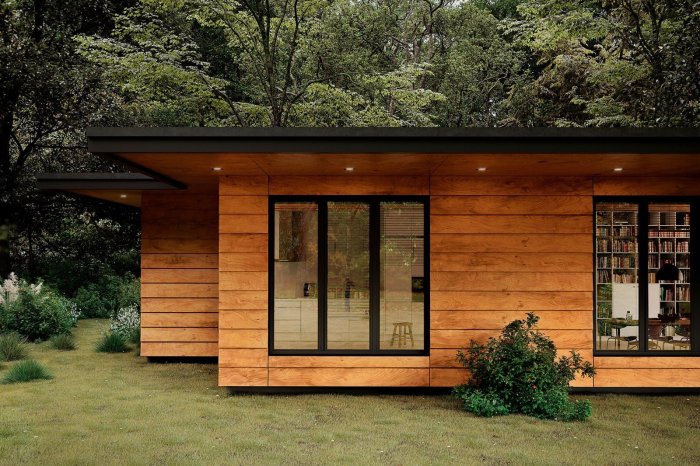
Embracing natural wood siding for your home is not just a design choice, but a statement of elegance and environmental consciousness. With its durability, aesthetic charm, and versatility, this material stands out as a top contender in the realm of home exteriors.
Consider the allure of natural wood siding and transform your house into a cozy haven that seamlessly blends with nature.
Questions and Answers
What makes natural wood siding a durable option?
Natural wood siding offers exceptional longevity and resilience due to the inherent strength of wood fibers.
How can I maintain natural wood siding?
Regularly inspect and clean the siding, apply protective finishes, and address any damage promptly to ensure longevity.
Are there any eco-friendly benefits to using natural wood siding?
Yes, natural wood siding is a sustainable choice as wood is a renewable resource and has a lower carbon footprint compared to synthetic materials.
Which wood species are commonly used for natural wood siding?
Cedar, redwood, and pine are popular choices for natural wood siding due to their durability and aesthetic appeal.
What tools are required for installing natural wood siding?
Tools such as a hammer, nails, saw, level, and caulking gun are typically needed for a successful installation.