Exploring the pivotal role of 3D modeling in residential design planning, this introduction aims to provide a captivating glimpse into how this technology revolutionizes the architectural landscape.
Delving deeper into the realm of 3D modeling's impact on visualization, communication, and design innovation, this discussion unfolds with each layer of information.
The Importance of 3D Modeling in Residential Design Planning
D modeling plays a crucial role in residential design planning by enhancing visualization, improving client presentations, and fostering effective communication between architects, designers, and clients.
Enhanced Visualization in Initial Design Phase
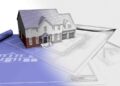
Using 3D modeling in the initial design phase allows designers and architects to create detailed and realistic representations of the project. This helps in visualizing the final outcome, making it easier to identify potential design flaws and make necessary adjustments before construction begins.
Benefits of Using 3D Models for Client Presentations
Presenting 3D models to clients offers a more immersive and engaging experience compared to 2D drawings or blueprints. Clients can visualize the space more effectively, understand the design concepts, and provide feedback in a more informed manner. This leads to better collaboration and ensures that the final design meets the client's expectations.
Improved Communication Among Stakeholders
D modeling facilitates effective communication among architects, designers, and clients by providing a common visual language. It eliminates misunderstandings that may arise from interpreting 2D drawings and allows stakeholders to share ideas, feedback, and revisions more efficiently. This streamlined communication process ultimately leads to a more successful and satisfying design outcome.
Applications of 3D Modeling in Residential Design
D modeling software plays a crucial role in the field of residential design planning, offering a range of applications that enhance the design process and provide valuable insights for architects and designers.
Creating Accurate Floor Plans and Layouts
- 3D modeling software allows architects and designers to create detailed and accurate floor plans and layouts of residential spaces.
- By using 3D models, professionals can visualize the spatial organization of rooms, furniture placement, and overall flow of the design.
- This helps in identifying any potential design flaws or optimization opportunities before the construction phase begins.
Lighting and Shadow Effects for Natural Light Understanding
- 3D modeling software enables the simulation of lighting and shadow effects within a space, providing a realistic representation of how natural light interacts with the design.
- Designers can adjust the position of windows, doors, and other elements to optimize natural light exposure in different areas of the residential space.
- This feature helps in creating well-lit and energy-efficient designs that prioritize natural light and reduce the need for artificial lighting.
Virtual Walkthroughs for Exploring Design Angles
- 3D modeling allows for virtual walkthroughs that enable clients, architects, and designers to explore the residential design from various angles and perspectives.
- Users can navigate through the 3D model, experiencing the design as if they were physically present in the space.
- This immersive experience helps in better understanding the spatial relationships, proportions, and overall aesthetics of the design.
Integrating 3D Models with Building Information Modeling (BIM)
D modeling plays a crucial role in residential design planning, but when integrated with Building Information Modeling (BIM), it takes the process to a whole new level of efficiency and collaboration.
Enhanced Collaboration and Coordination
BIM software allows for the integration of 3D models with detailed information about the building components. This integration enhances collaboration among architects, engineers, contractors, and other stakeholders involved in the design process. By working on a shared platform, team members can make real-time changes, track modifications, and ensure that everyone is on the same page.
This level of coordination helps in avoiding conflicts and errors that may arise during the construction phase
Advantages of Linking 3D Models with BIM Data
- Improved Visualization: By combining 3D models with BIM data, designers can visualize the project in a more detailed and realistic manner. This helps in making better design decisions and communicating ideas effectively.
- Efficient Project Management: Linking 3D models with BIM data allows for better project management. Design changes can be easily reflected across all documentation, reducing the chances of discrepancies and minimizing rework.
- Cost and Time Savings: The integration of 3D models with BIM data streamlines the design process, leading to cost and time savings. Through clash detection and accurate quantity takeoffs, potential issues can be identified and resolved early on, preventing costly delays during construction.
Future Trends and Innovations in 3D Modeling for Residential Design
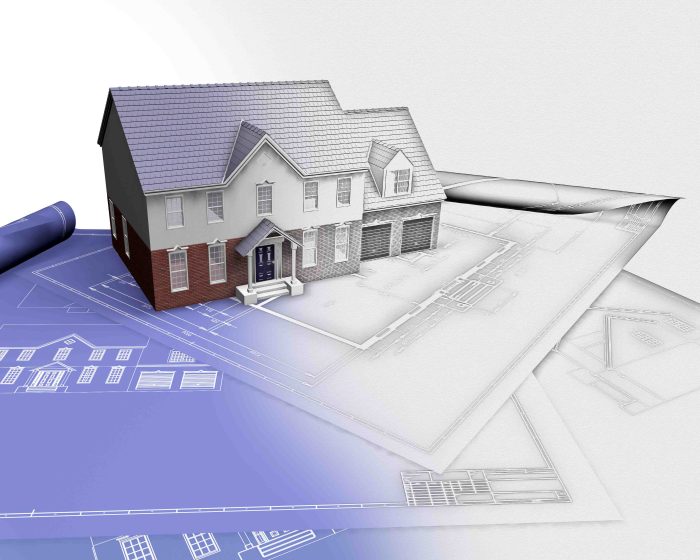
The future of 3D modeling in residential design is poised for exciting advancements with the emergence of various technological innovations. These innovations are set to revolutionize the way designers approach and execute their projects, leading to more efficient and creative design solutions.
Virtual Reality (VR) and Augmented Reality (AR) in Residential Design
Virtual Reality (VR) and Augmented Reality (AR) are rapidly becoming integral tools in the field of residential design. By immersing clients and designers in virtual environments, VR and AR allow for a more interactive and realistic experience when visualizing design concepts.
This technology enables stakeholders to walk through spaces, make real-time changes, and understand spatial relationships better, ultimately leading to more informed design decisions.
Parametric Modeling for Complex Forms
Parametric modeling is transforming the way designers create complex forms in residential design. By using algorithms to define and manipulate design parameters, designers can efficiently explore various design iterations and optimize the form, function, and aesthetics of a project. This approach enables designers to push the boundaries of traditional design constraints and create innovative and unique architectural solutions.
3D Printing in Prototyping and Construction
D printing is revolutionizing the prototyping and construction process in residential design. With the ability to produce detailed scale models, custom components, and even full-scale building elements, 3D printing offers designers a cost-effective and time-efficient method for testing and realizing their design concepts.
This technology also allows for greater customization, sustainability, and design flexibility in the construction process, paving the way for more innovative and efficient building solutions in the future.
Ultimate Conclusion
Concluding our exploration of the role of 3D modeling in residential design planning, it becomes evident how this tool is shaping the future of architecture and construction, paving the way for new possibilities and efficiencies.
FAQ Overview
How does 3D modeling improve communication in residential design planning?
3D modeling enhances communication by providing a visual representation that is easily understandable by architects, designers, and clients, fostering better collaboration and decision-making.
What are the benefits of integrating 3D models with Building Information Modeling (BIM)?
Integrating 3D models with BIM allows for improved collaboration, coordination, and more efficient project management by linking design data with construction data.
How is 3D printing transforming the construction process in residential design?
3D printing is revolutionizing construction by enabling architects to quickly prototype complex designs, leading to faster and more cost-effective construction methods in residential projects.