Diving into the realm of energy efficient HVAC systems for eco-friendly interiors, this introduction sets the stage for an insightful discussion on how modern technology can enhance sustainability in interior design. From reducing carbon footprints to creating healthier living spaces, the impact of energy-efficient HVAC systems is profound and multifaceted.
Let's embark on a journey to discover the key components, design considerations, and maintenance tips that pave the way for a greener future.
Energy Efficient HVAC Systems
Energy-efficient HVAC systems are designed to minimize energy consumption while still providing optimal heating, ventilation, and air conditioning for a space. These systems utilize advanced technology and innovative design to reduce energy waste and lower utility costs.
Benefits of Energy-Efficient HVAC Systems
- Lower Energy Consumption: Energy-efficient HVAC systems use less energy, resulting in reduced electricity bills and a smaller carbon footprint.
- Improved Indoor Air Quality: These systems often include advanced air filtration systems that help maintain a healthier indoor environment by removing pollutants and allergens.
- Enhanced Comfort: Energy-efficient HVAC systems provide consistent temperatures and humidity levels, ensuring a comfortable living or working space.
- Long-Term Cost Savings: While the initial investment in an energy-efficient HVAC system may be higher, the long-term savings on energy bills make it a cost-effective choice.
Comparison with Traditional HVAC Systems
Traditional HVAC systems typically consume more energy and are less environmentally friendly compared to energy-efficient alternatives. They may have lower efficiency ratings, outdated technology, and lack features like programmable thermostats and zoning capabilities.
Components of Energy-Efficient HVAC Systems
Energy-efficient HVAC systems are composed of various key components that work together to provide optimal heating, ventilation, and air conditioning while minimizing energy consumption. These components include:
1. High-Efficiency Air Filters
- High-efficiency air filters help improve indoor air quality by trapping dust, pollen, and other particles, reducing strain on the HVAC system.
- Examples include electrostatic filters, HEPA filters, and pleated filters.
2. Variable Speed Motors
- Variable speed motors adjust airflow based on the cooling or heating requirements, reducing energy consumption.
- This technology allows the HVAC system to operate at different speeds, optimizing efficiency.
3. Programmable Thermostats
- Programmable thermostats enable users to set temperature schedules based on occupancy, saving energy when spaces are unoccupied.
- Smart thermostats can learn user preferences and adjust settings automatically for maximum efficiency.
4. Energy Recovery Ventilators (ERVs)
- ERVs help improve indoor air quality by exchanging stale indoor air with fresh outdoor air while recovering energy from the exhaust air.
- By pre-conditioning the incoming outdoor air, ERVs reduce the workload on the HVAC system.
Insulation for Maximum Efficiency
Insulation plays a crucial role in maximizing the efficiency of HVAC systems by reducing heat transfer through walls, ceilings, and floors. Proper insulation helps maintain consistent indoor temperatures, allowing the HVAC system to operate more efficiently and effectively. Investing in quality insulation can significantly reduce energy consumption and improve overall comfort in eco-friendly interiors.
Design Considerations for Eco-Friendly Interiors
When designing eco-friendly interiors, it is essential to consider how HVAC systems can be integrated seamlessly to ensure optimal energy efficiency and indoor air quality. Proper ventilation and air quality play a crucial role in maintaining a healthy and sustainable indoor environment.
The placement and sizing of HVAC systems also significantly impact the overall energy efficiency of a space
Importance of Proper Ventilation and Air Quality
Proper ventilation is essential in eco-friendly interiors to ensure the circulation of fresh air and the removal of indoor pollutants. By incorporating energy-efficient ventilation systems, indoor air quality can be improved while minimizing energy consumption. This not only enhances the comfort of occupants but also contributes to a healthier living or working environment.
Impact of HVAC System Placement and Sizing
The placement of HVAC systems within a space can affect their efficiency and performance. Strategic placement can help optimize airflow and distribution, reducing energy consumption and improving overall comfort. Additionally, properly sizing HVAC systems based on the specific requirements of the space can prevent energy wastage and ensure optimal performance.
By considering these design aspects, eco-friendly interiors can achieve a balance between energy efficiency and comfort.
Maintenance and Optimization
Proper maintenance and optimization of energy-efficient HVAC systems are crucial for ensuring their maximum efficiency and longevity. By following best practices and utilizing smart technologies, you can significantly reduce energy consumption and create a more eco-friendly interior environment.
Best Practices for Maintenance
- Regularly change air filters to ensure optimal airflow and efficiency.
- Schedule annual professional maintenance checks to identify and address any issues promptly.
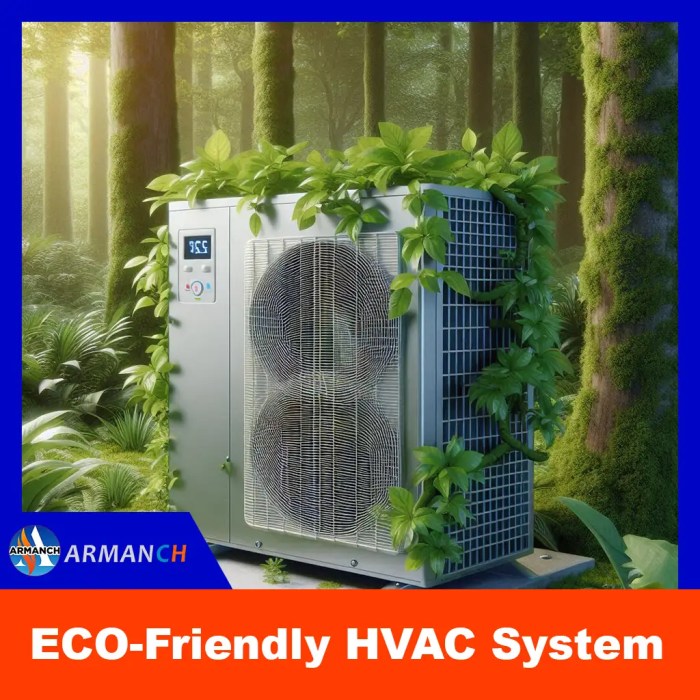
- Keep the outdoor unit free from debris and vegetation to maintain proper airflow.
- Check and seal ductwork for leaks to prevent energy loss.
Tips for Optimization
- Program your thermostat to adjust temperatures based on occupancy and usage patterns.
- Utilize smart thermostats that can learn your preferences and optimize energy usage accordingly.
- Consider zoning systems to control temperatures in different areas of your home independently.
- Use natural ventilation whenever possible to reduce reliance on HVAC systems.
Role of Smart Thermostats and Automation
Smart thermostats play a crucial role in managing energy consumption in eco-friendly interiors by allowing you to control and monitor your HVAC system remotely. Automation features can help optimize energy usage based on your preferences and habits, leading to increased efficiency and cost savings.
Last Recap
In conclusion, energy efficient HVAC systems play a pivotal role in fostering eco-friendly interiors by promoting energy conservation, indoor air quality, and overall sustainability. By embracing innovative technologies and mindful design practices, we can create spaces that not only look beautiful but also function harmoniously with the environment.
Let's continue to prioritize energy efficiency and environmental consciousness in every aspect of interior design.
Frequently Asked Questions
How do energy-efficient HVAC systems contribute to sustainability?
Energy-efficient HVAC systems reduce energy consumption, lower utility bills, and decrease greenhouse gas emissions, thereby promoting a more sustainable environment.
What are some examples of innovative technologies used in energy-efficient HVAC systems?
Examples include variable-speed compressors, smart thermostats, and geothermal heat pumps, all designed to maximize energy efficiency and comfort.
Why is proper ventilation crucial in eco-friendly interiors?
Proper ventilation ensures fresh air circulation, removes indoor pollutants, and maintains a healthy indoor environment, essential for eco-friendly living.
How can smart thermostats optimize the performance of HVAC systems?
Smart thermostats allow for precise temperature control, adaptive scheduling, and remote monitoring, leading to improved energy efficiency and cost savings.