With global siding and roofing taking center stage, this paragraph sets the scene for a fascinating journey filled with insights and surprises, drawing readers in with a compelling narrative.
The following paragraph delves into the details, providing a comprehensive overview of the topic.
Overview of Global Siding and Roofing Industry
The global siding and roofing industry plays a crucial role in the construction sector, providing essential protection and aesthetics to buildings worldwide. As buildings continue to be erected at a rapid pace, the demand for quality siding and roofing materials remains high.
Evolution of Siding and Roofing Materials
Over the years, the siding and roofing industry has witnessed significant advancements in materials and technologies. From traditional materials like wood and clay tiles to modern options such as metal, vinyl, and composite materials, the industry has come a long way in offering durable and cost-effective solutions for various construction needs.
Key Players and Market Trends
- The key players in the global siding and roofing industry include major manufacturers such as CertainTeed, Owens Corning, and GAF. These companies are known for their quality products and innovative solutions.
- Market trends in the industry indicate a growing preference for sustainable and energy-efficient materials. Green roofing options, such as solar panels and vegetative roofs, are gaining popularity due to their environmental benefits.
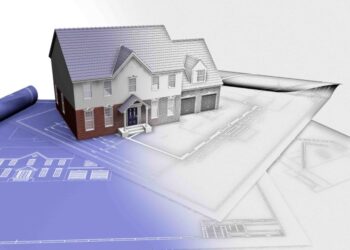
- Technological advancements, such as the use of 3D modeling and drones for roof inspections, are also reshaping the industry and improving efficiency in installation and maintenance processes.
Types of Siding Materials
When it comes to siding materials, there are various options used globally, each with its own unique characteristics and features.
Vinyl Siding
- Vinyl siding is one of the most popular choices due to its affordability and low maintenance.
- It is durable, resistant to rot and insects, and comes in a wide range of colors and styles.
- However, vinyl siding can crack or fade over time with exposure to extreme weather conditions.
Fiber Cement Siding
- Fiber cement siding is known for its strength and durability, able to withstand harsh weather conditions.
- It is resistant to rot, fire, and insects, making it a long-lasting option for many homeowners.
- Although it requires painting maintenance, fiber cement siding offers a versatile and aesthetic appeal.
Wood Siding
- Wood siding provides a natural and traditional look, enhancing the charm and character of a home.
- It is environmentally friendly and can be painted or stained in various colors for a customized appearance.
- However, wood siding is more prone to rot, pests, and requires regular maintenance like painting or sealing.
Aluminum Siding
- Aluminum siding is lightweight, easy to install, and offers good insulation properties.
- It is resistant to rust and corrosion, making it a durable option for regions with high humidity.
- Despite its durability, aluminum siding can dent easily and may not be as visually appealing as other materials.
Roofing Solutions in Different Regions
Roofing solutions vary greatly around the world depending on the region's climate, culture, and available resources. The choice of roofing materials is influenced by a combination of factors that cater to the specific needs of each area.
North America
In North America, asphalt shingles are a popular choice for roofing due to their affordability, durability, and ease of installation. The region's varying climate, from harsh winters to hot summers, requires roofing materials that can withstand extreme weather conditions.
Asia
In Asia, materials such as clay tiles, metal roofs, and thatch are commonly used for roofing. The choice of materials is often influenced by cultural traditions, availability of resources, and the region's tropical climate. Thatch roofs, for example, are well-suited for hot and humid climates as they provide natural insulation.
Europe
Europe showcases a wide range of roofing materials including slate, clay tiles, and metal roofs. The choice of materials varies from region to region based on factors such as historical architecture, climate conditions, and aesthetic preferences
Sustainable Practices in Siding and Roofing
In the construction industry, sustainable practices in siding and roofing play a crucial role in reducing environmental impact and promoting eco-friendly solutions. By using sustainable materials and innovative techniques, companies can contribute to a greener future and lower carbon footprint.
Sustainable Materials for Siding and Roofing
- Recycled Content: Utilizing materials like recycled metal, plastic, or wood can reduce waste and energy consumption.
- Wood Alternatives: Opting for composite materials or sustainable wood options can help preserve forests and promote responsible sourcing.
- Solar Reflective Roofing: Installing roofing materials that reflect sunlight can reduce energy consumption for cooling, contributing to energy efficiency.
Importance of Eco-Friendly Options
Choosing eco-friendly siding and roofing options is essential in global construction practices to mitigate climate change and promote sustainability. By reducing greenhouse gas emissions and energy consumption, sustainable practices can lead to a healthier environment and lower long-term costs for homeowners.
Innovations in Sustainable Solutions
- Green Roofs: Implementing green roofing systems with vegetation can improve air quality, reduce urban heat island effect, and enhance building insulation.
- Sustainable Insulation: Using eco-friendly insulation materials like recycled denim or cellulose can improve energy efficiency and indoor comfort levels.
- Smart Technologies: Integrating smart technologies into roofing systems for rainwater harvesting or solar power generation can enhance sustainability and resilience.
Technological Advancements in the Industry
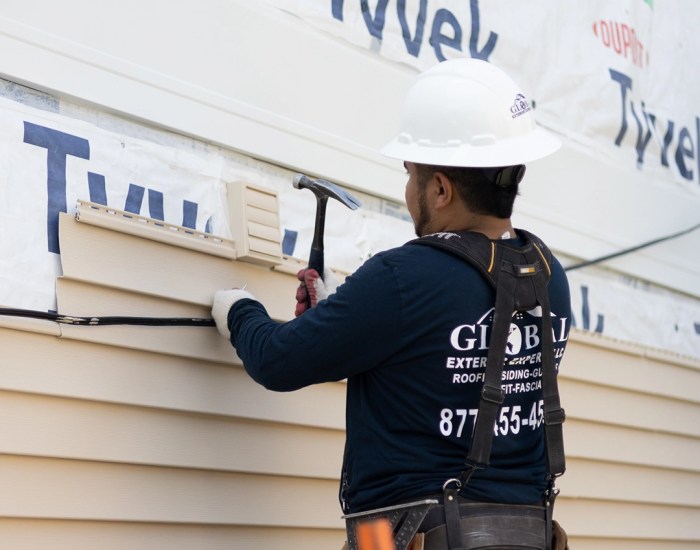
Technology is playing a significant role in transforming the global siding and roofing sector, bringing about improvements in efficiency, safety, and sustainability. Automation and robotics are being increasingly utilized to streamline installation processes, reduce labor costs, and enhance precision.
Role of Automation and Robotics
- Automated equipment and robotic systems are being employed to carry out tasks such as cutting, measuring, and installing siding and roofing materials.
- These technologies help to minimize human error, increase productivity, and ensure consistent quality in the construction process.
- Robotic arms and drones can access hard-to-reach areas, improving safety conditions for workers during installation and maintenance activities.
Use of Drones and AI for Inspection and Maintenance
- Drones equipped with high-resolution cameras are utilized to conduct aerial inspections of siding and roofing systems, providing detailed data on the condition of structures.
- Artificial intelligence algorithms analyze the collected data to detect potential issues, such as leaks, cracks, or damage, enabling proactive maintenance and timely repairs.
- This technology-driven approach enhances the longevity of siding and roofing systems, reducing the risk of costly damages and ensuring optimal performance.
Final Summary

Wrapping up our discussion, this paragraph offers a concise summary and leaves readers with key takeaways in an engaging manner.
FAQ Section
What are some common types of siding materials used globally?
Common types include vinyl, wood, fiber cement, and metal siding.
How does climate influence the choice of roofing materials in different regions?
Climate plays a crucial role in selecting roofing materials, with factors like temperature, precipitation, and wind patterns impacting the decision.
What are some sustainable practices in the siding and roofing industry?
Sustainable practices include using recycled materials, implementing energy-efficient solutions, and promoting eco-friendly construction techniques.