Delve into the world of new home siding options with this informative guide that covers everything from materials to costs and aesthetics. Get ready to discover the perfect siding for your dream home!
Types of New Home Siding
When it comes to choosing siding for your new home, there are several options to consider. Each type of siding material comes with its own set of pros and cons, so it's important to weigh your priorities before making a decision.
Vinyl Siding
Vinyl siding is a popular choice for its affordability and low maintenance. It comes in a variety of colors and styles, making it easy to customize the look of your home. However, vinyl siding may not be as durable as other materials and can fade over time with exposure to the elements.
Wood Siding
Wood siding offers a natural and timeless look to a home. It can be painted or stained in various colors and is environmentally friendly. On the downside, wood siding requires regular maintenance, including staining or painting every few years to prevent rot and insect damage.
Fiber Cement Siding
Fiber cement siding is a durable and low-maintenance option that can mimic the look of wood or stucco. It is resistant to fire, rot, and insects, making it a long-lasting choice for homeowners. However, fiber cement siding can be more expensive than other materials and may require professional installation.
Metal Siding
Metal siding, such as aluminum or steel, is known for its strength and durability. It is resistant to fire, rot, and insect damage, making it a low-maintenance option for homeowners. On the downside, metal siding can dent or scratch easily, and it may not offer the same aesthetic appeal as other materials.
Cost Considerations
When it comes to selecting new home siding, cost is an important factor to consider. The initial cost and long-term maintenance requirements can vary significantly depending on the material chosen. Understanding the cost factors involved can help homeowners make an informed decision that fits their budget and preferences.
Cost Factors for New Home Siding
- The initial cost of the siding material: Different materials come with different price tags. Vinyl siding, for example, is often more budget-friendly compared to fiber cement or natural wood.
- Installation costs: Labor costs for installing siding can vary based on the complexity of the project, the size of the home, and the chosen material.
- Maintenance costs over time: Some siding materials require more frequent maintenance, such as painting or sealing, which can add to the long-term costs.
- Durability and lifespan: While some materials may have a higher upfront cost, they may require less maintenance and have a longer lifespan, ultimately providing cost savings in the long run.
Cost-Effective Siding Options
- Vinyl Siding: Known for its affordability and low maintenance requirements, vinyl siding is a popular choice for budget-conscious homeowners.
- Fiber Cement Siding: Durable and resistant to rot and insects, fiber cement siding offers a cost-effective solution with a longer lifespan compared to some other materials.
- Engineered Wood Siding: Mimicking the look of natural wood at a lower cost, engineered wood siding is a more affordable alternative that still provides aesthetic appeal.
Energy Efficiency and Insulation
When it comes to selecting siding for a new home, considering the energy efficiency and insulation properties of the materials is crucial. The right siding can help reduce heating and cooling costs while enhancing the overall comfort of the home.
Impact of Siding Materials on Energy Efficiency
Different siding materials have varying levels of energy efficiency. For example, insulated vinyl siding can provide better thermal resistance compared to traditional vinyl siding, helping to minimize heat transfer through walls. On the other hand, fiber cement siding is known for its durability and ability to withstand extreme weather conditions, contributing to better energy efficiency by reducing the need for frequent repairs and maintenance.
Insulation Properties of Siding Options
Insulation plays a key role in regulating the temperature inside a home. Siding materials like foam-backed vinyl siding or engineered wood siding with built-in insulation can help improve the thermal performance of a home. These materials create a barrier against heat loss in the winter and heat gain in the summer, resulting in lower energy consumption and reduced utility bills.
Tips for Selecting Energy-Efficient Siding
- Consider the R-value of the siding material, which indicates its thermal resistance. Higher R-values signify better insulation properties.
- Look for siding options with integrated insulation or the possibility of adding extra insulation layers to enhance energy efficiency.
- Choose light-colored siding to reflect sunlight and reduce heat absorption, especially in warmer climates.
- Proper installation is essential for maximizing energy efficiency, so hire experienced professionals to ensure airtight sealing and insulation.
Aesthetics and Design
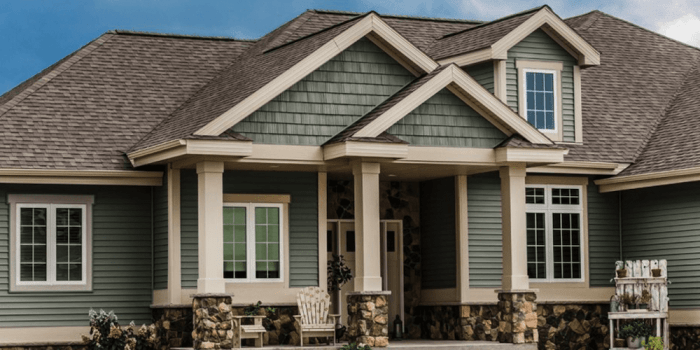
When it comes to the aesthetics and design of a new home, the siding plays a crucial role in enhancing the overall curb appeal. The choice of siding style, color, and texture can significantly impact the visual appeal of a house, making it stand out in the neighborhood
Siding Styles, Colors, and Textures
Choosing the right siding style, color, and texture can complement various architectural designs and personal preferences. Here are some examples to consider:
- Traditional Vinyl Siding: Offers a wide range of colors and textures, suitable for classic and modern homes alike.
- Wood Clapboard Siding: Provides a natural and rustic look, perfect for traditional and cottage-style homes.
- Fiber Cement Siding: Mimics the look of wood or stucco but with lower maintenance requirements and a variety of color options.
- Stone Veneer Siding: Adds a luxurious and elegant touch to a home, ideal for upscale and contemporary designs.
Choosing Siding for Aesthetic Vision
When selecting siding for a new home, it's essential to align it with your personal preferences and the overall aesthetic vision you have for the property. Consider the architectural style of the house, the surrounding environment, and your desired curb appeal.
Whether you prefer a bold and vibrant look or a more understated and classic appearance, there is a siding option to match your vision and enhance the beauty of your home.
Installation Process
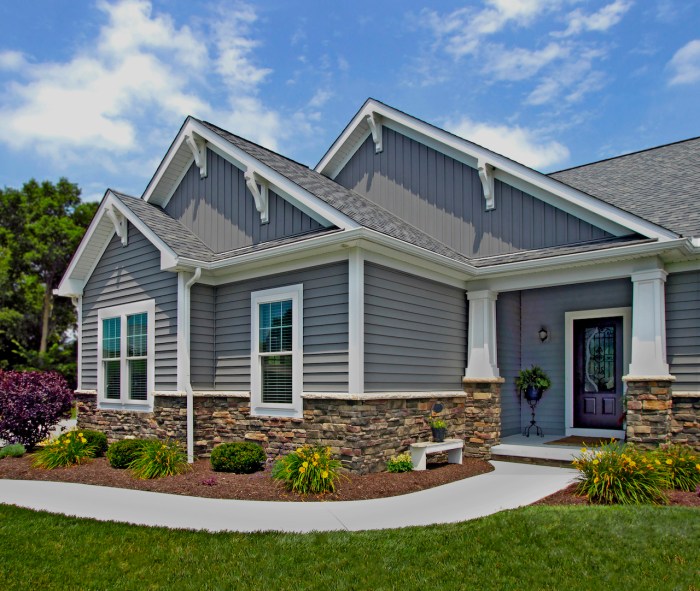
When it comes to installing new home siding, the process can vary depending on the type of material chosen. Proper installation techniques are crucial for ensuring the longevity and performance of the siding. Whether hiring professional siding contractors or opting for a DIY approach, understanding the installation process is essential.
Vinyl Siding Installation
- Prepare the surface by removing old siding and making necessary repairs.
- Measure and cut the vinyl panels to fit the exterior walls.
- Install starter strips, J-channels, corner posts, and trim pieces.
- Attach the vinyl panels securely, allowing for expansion and contraction.
- Finish with mounting accessories and sealants for a polished look.
Fiber Cement Siding Installation
- Prepare the surface with moisture barriers and flashing to prevent water damage.
- Measure and cut the fiber cement boards to the desired lengths.
- Install the boards with proper spacing and fasteners to allow for movement.
- Apply caulking and paint or sealant to protect the siding from the elements.
Wood Siding Installation
- Prepare the surface with a moisture barrier and ensure proper ventilation.
- Measure and cut the wood siding boards to fit the walls.
- Install the boards with the appropriate fasteners and overlapping joints.
- Treat the wood with stain, paint, or sealant to protect against rot and pests.
Tips for Hiring Siding Contractors
- Research and ask for recommendations from friends or family.
- Check for licenses, insurance, and warranties before hiring a contractor.
- Get multiple quotes and compare the services offered by different contractors.
- Ask about the installation process and timeline to ensure a smooth project.
Concluding Remarks
As we wrap up our discussion on new home siding options, remember that the right choice can transform your home's appearance, energy efficiency, and maintenance needs. Make an informed decision to enhance both the beauty and functionality of your new abode.
Essential FAQs
What are the most popular siding materials for new homes?
Common siding materials include vinyl, wood, fiber cement, and metal, each offering unique benefits and considerations.
How do different siding materials impact energy efficiency?
Siding materials can contribute to a home's energy efficiency by providing insulation and reducing heating and cooling costs.
Is professional installation necessary for all types of new home siding?
While professional installation is recommended for optimal performance, some homeowners may opt for DIY installation depending on the material and their expertise.